


Detox is a trendy term, and everywhere you look someone is offering some kind of “cleanse”. But many people go about it the wrong way, leaving them feeling worse than when they started.
When considering all the toxins people pick up in the air, water, and food — not to mention the ones we’re exposed to from breast implants and those generated by pathogens — your instinct may be to detox as fast as possible post-explant. This approach to detox could backfire. It’s crucial to support the body’s drainage pathways for toxin elimination first in order to effectively remove toxins from the body.
If you start pulling toxins out, but there’s no place for these toxins to go, they pile up. And that could heighten the very symptoms you are trying to improve with your detox efforts.
For this reason, an effective regimen for detoxification starts with drainage. This is the first step in any protocol I recommend for my clients.
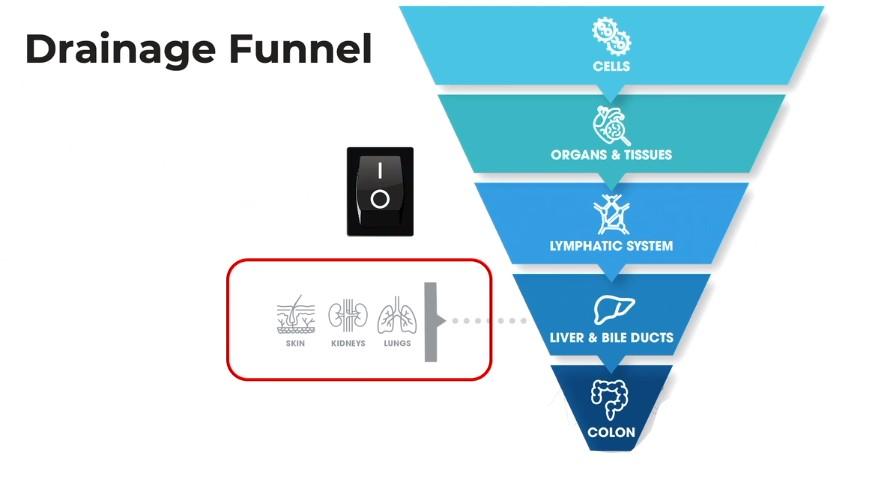
Below is the drainage funnel — the order in which the body moves fluids to remove toxins. We’ll be discussing why it’s so important to have drainage pathways open before ramping up your detox.
Keep the following graphic of the drainage funnel in mind as you read:
The Colon
The large intestine or colon is at the bottom of the drainage funnel. If the colon is backed up, everything upstream from it can become backed up as well. This happens when you’re constipated or even if you’re not moving the bowels regularly enough relative to a high toxic load in the body.
Symptoms of Bowel Stagnation:
- Leaky gut
- Dysbiosis
- SIBO
- Fungal/candida overgrowth
- Food intolerances
- Constipation
- Diarrhea
- IBS or IBD
- Gas/boating
- Low serotonin
- Neuroinflammation
- Colon cancer
- Abnormal immunity
If you’re constipated, you’re not efficiently removing the waste and toxins your body needs to clean out. Pushing detox without first supporting this drainage pathway can set you black.
Constipation is like a waste processing plant in a city that doesn’t empty its tanks. Similarly, if you try to force upstream detox when the outflow isn’t moving, issues will pile up.
So, you need to poop regularly. That makes room for waste and toxins that are upstream to flow downward for elimination via the stool.
If you’re trying to detox and restore your health, you really need to poop 2-3 times a day. That doesn’t mean watery stools but gentle elimination without straining.
Some ways you can support regular elimination are:
- Bowel-moving herbs: Ginger root, aloe vera leaf, and other intestinal-moving herbs help stimulate the movement of the toxins in your gut. That helps combat constipation. This is a huge priority from day 1 with all of my clients.
- Fulvics and Humics: Natural extracts of fulvic and humic acid bind toxins so you can eliminate them. These unique carbons also may promote a healthy microbiome, which supports regular elimination as well.
- Fiber-rich diets: Fiber bulks up the stools, making elimination easier. Good sources of fiber in a healthy diet are fruits, vegetables, nuts, seeds, and other plant-based foods. Foods that may cause constipation are alcohol, gluten, processed grain, dairy products, red meat, and fried or fast foods. High histamine foods can also cause constipation in those with histamine intolerance or MCAS.
- Physical activity: To help combat constipation, make sure you are moving your body regularly. Even gentle forms of exercise, such as walking and yoga, may help.
- Regular hydration: A shortfall in fluid intake could contribute to constipation. Be sure that you’re drinking plenty of pure water and other healthy beverages.
If you’ve had a long history of significant constipation, you’re initially looking for progress — not necessarily perfection. If you’re stuck and showing little or no improvement overtime, you may need to address other factors, such as parasites. These critters are often at the root of constipation, since they influence their host’s body and interfere with the colon to lessen healthy bowel movements. Refer to THIS blog post on parasites for more information.
Liver and Bile Ducts

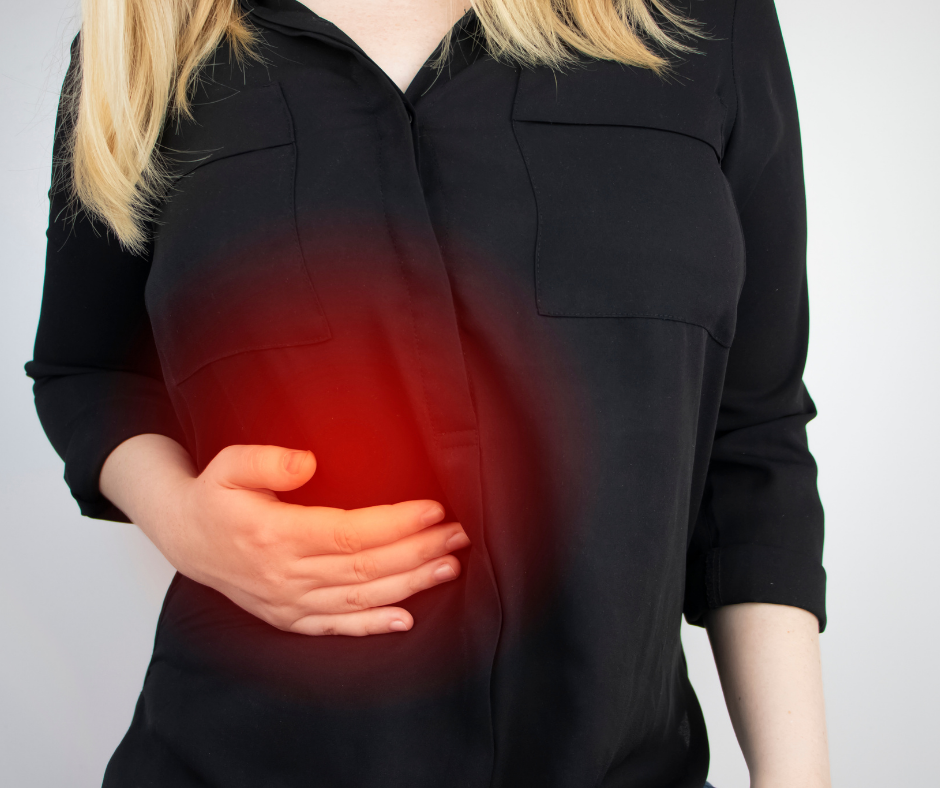
Just above the colon in the drainage funnel are the liver and bile ducts. The liver is like the reservoirs that collect the wastewater from the entire town. The liver works to separate the water and waste, and then the water can be cleaned and sent back to the houses for reuse.
As for the waste, the liver filters toxins from the blood and processes them for elimination. These are then deposited in the bile.
The bile is released through the common bile duct into the small intestine during digestion. Some of the bile is caught up in stools and eliminated, which helps lower the toxin level in the body.
Overall, it’s a good system. But sometimes harmful factors disrupt it.
Blocked bile ducts
Just like the drains in the home can get clogged, so can the bile ducts. As a result, toxins and bile acids can become stagnate and accumulate in the liver, potentially causing damage.
On top of that, stagnation breeds sickness. If you’re not moving toxins out efficiently, these toxins can contribute to chronic illness.
Symptoms of sluggish bile:
- Gallstones
- Nausea and abdominal pain after eating fatty meal
- Pancreatitis
- Fatigue
- Acne/dull skin
- Eczema/Psoriasis
- Allergies
- Mood swings
- Migraines
- Constipation
- Acid reflux or GERD
- Non-alcoholic fatty liver disease
- Waking between 11pm – 1am
Causes of sluggish bile:
- Bacteria
- Drugs
- Excess estrogen
- Parasites
- Toxic overload
- Viruses
- Lack of fiber
Sometimes the inflammation and scarring caused by the above factors result in dysfunction of the sphincter of Oddi.

Blocked liver
Where does the toxin-laden bile go if the liver and bile ducts are backed up? If it can’t flow down through the drainage funnel, it could flow out into the tissues and organs instead. That could lead to uncomfortable symptoms and may damage other organs.
When the liver can’t push bile into the bowels, a “trap door” opens to release it into the bloodstream. The toxic bile acids may end up in other organs, including the:
- Kidneys: symptoms include flank pain, frequent kidney infections, frequent urination, getting up at night to pee, high blood pressure, swelling in hands and feet, feeling itchy, swollen or puffy face, metallic taste in the mouth, ammonia breath, nausea.
- Lungs: symptoms include chronic cough, shallow breathing, anxiety, waking between 3-5am.
- Skin: symptoms include inability to sweat, cellulite, eczema or rashes, edema or swelling.
This can damage the linings of the lungs and kidneys, including delicate tubes in the organs due to increased levels of damaging free radicals and inflammation.
Symptoms of a blocked liver:
- In the skin, bile acids can trigger pruritus (itchy and inflamed skin). This may be due in part to the activation of mast cells (immune cells that release histamine and cause itching).
- Fatigue
- Acne/dull skin
- Eczema/Psoriasis
- Allergies
- Mood swings
- Migraines
- Constipation
- Non-alcoholic fatty liver disease
- Waking between 1-3am
- Estrogen dominance
- Intolerance to alcohol or caffeine
- Leaky gut
- Chemical sensitivity
- Inflammation or high oxidative stress
- Insulin resistance
- Glutathione depletion
- Right upper quadrant pain
- High blood pressure
If you’re experiencing these symptoms, you may think that you should jump to liver support. But remember the order of the drainage funnel and make sure that you’re pooping first. That way when you start moving bile, it will have somewhere to go.
Sphincter of Oddi malfunction
The body has a muscular valve called the sphincter of Oddi that controls the release of bile into the small intestine. Not only can scarring interfere with this valve, but so can low thyroid hormone (T4). T4 triggers the sphincter of Oddi to relax and enables bile to flow through. If you don’t have enough thyroxine — such as in hypothyroidism — the sphincter of Oddi may not open when it should. As a result, toxins and bile acids could back up in the liver and bile ducts.
Hypothyroidism may increase your risk of gallstones as well. When bile isn’t moving as it should, the cholesterol in it becomes more concentrated, which makes it more likely to crystallize and form stones.
So, how can you prevent such glitches in this vital part of your drainage funnel?
Promoting liver and bile duct drainage
Avoid toxins building up in the liver and bile ducts. Ways you can aid this part of your drainage funnel include:
- Coffee enemas: These are an age-old tool for liver detox. A coffee enema could encourage your bile ducts to dilate, supporting the release of bile. This should be done with caution and guidance from a practitioner.
- Iodine: Humans need this trace mineral to make thyroid hormones, including thyroxine. Iodine tells the sphincter of Oddi to relax, releasing bile into the digestive tract. A word of caution: this should be used under the supervision of a practitioner.
- Plant-Based Minerals: Minerals, such as selenium and magnesium, can support liver detoxification. A highly bioactive mineral complex can perform numerous biochemical and metabolic detoxification functions.
- Kidney and Liver Supporting Herbs: herbs such as milk thistle, parsley, and ginger to support liver and kidney function, which is essential to any detox protocol. There are also certain foods that are liver and kidney loving such as: eggs, red meat, cruciferous veggies, fatty fish, dark leafy greens, and of course water.
- Zinc: This crucial trace mineral supports liver detoxification. Zinc may also help protect the liver cells from damage.
- Deep Cellular Detoxification Work: In the correct order and timing, the body needs to be detoxed from heavy metals and toxic chemicals to reduce the toxic load and prevent recirculation of toxins (autointoxication). This should also be done under the supervision of a practitioner who truly understands how to detox the body safely.
Lymphatic System
The next step up in the drainage funnel is the lymphatic system. Though often overlooked and neglected, it’s of vital importance. The lymphatic system includes a network of vessels that drain fluids from body tissues.
This system also covers most of the body. Rich lymphatic vessel networks supply the skin dermis and mucosal membranes covering major organs, including the respiratory tract, nasopharyngeal cavity, intestine, mesentery, diaphragm, heart, and lungs.
Recent updates in research also shows that the lymphatic vessels play more of an active role in major physiological and pathophysiological processes rather than a passive one.
Blood vessels “leak” several liters of fluid into the tissues each day. One of the lymphatic system’s jobs is to collect the fluid and return it to the blood. But first, the lymph nodes filter out bacteria, toxins, and viruses so immune cells can deal with them.
Unfortunately, the lymph doesn’t always flow as much as needed. Unlike the cardiovascular system, the lymph has no pump like the heart pushing it where it needs to go.
Sluggish lymph movement is also linked to increased cellulite, as the lymph can get “stuck” in fat tissue. This is particularly common in women.
Some signs of lymphatic stagnation include:
- Inability to sweat – also one of the most common symptoms of hidden pathogens
- Cellulite
- Eczema or rashes in general
- Edema or swelling
Some causes of lymphatic stagnation:
- Adhesions or scar tissue (from injury or surgery)
- Surgeries (implant/explant)
- Strict or rigid upbringing, especially from patriarchal side
- Toxic overload
- Breast implants – silicone
- Lymph node removal
- Stealth infections
- Lack of movement – too much sitting (sitting = new smoking)
Some ways to support the lymphatic portion of their drainage funnel are:
- Herbs: Certain herbs support lymphatic flow or promote lymphatic system function in other ways. This includes things like astragalus and burdock root.
- Massage: You can also move your lymph by getting a lymphatic massage. And in the Ayurvedic tradition, a dry brushing self-massage technique is thought to help move lymph. This technique involves using a stiff brush to stroke the skin towards the heart.
- Movement: Physical activity, such as going for a walk, helps move lymph. Because there’s no pump for the lymphatic system, a key way the fluid moves is by the muscles contracting.
- Sauna: Sitting in a far-infrared sauna “warms up” the lymphatic fluid and helps get it flowing better. I have my clients start with just a few minutes and build up their time slowly.
Organs and Tissues
Brain
Above the lymphatic system in the drainage funnel are the organs and tissues. The brain is a key focus here. It doesn’t have a true lymphatic system. Instead, it clears cellular wastes and fluids from the brain through the glymphatic system.
The glymphatic system is a recently discovered macroscopic waste clearance system that also facilitates brain-wide distribution of several compounds. Researchers have also found that this system functions mainly during sleep and helps enable the elimination of potential neurotoxic waste from the body.
Keeping with the garbage analogy, the glymphatic network in the brain works like a fleet of garbage trucks, collecting the waste in a city. Then the garbage is delivered to the lymphatic system for removal. The caveat is that waste removal in the brain mainly happens when people sleep. During the day, the brain is busy processing information, so garbage collection is a low priority. Adequate sleep is the best way to support this part of the drainage funnel. Sleep is like fuel for all those little garbage trucks in the brain.
Possible signs that the brain isn’t draining well:
- Brain fog
- Headaches
- Memory issues
Make sure you’re supporting your brain’s glymphatic drainage by getting enough sleep. Most experts recommend at least seven hours of sleep per night.
Cells
The cells are at the very top of the drainage funnel. Cells are like houses in a city. Each home has waste products from tubs, toilets, and trash cans. The cells have toxins and other wastes they need to get rid of too.
Some of the wastes or toxins the cells accumulate come from external sources. These include air pollutants, heavy metals, mycotoxins, and pesticides. These toxins may cause mitochondrial dysfunction, so It’s crucial to get rid of them.
The mitochondria generate the energy needed to support detoxification. They also play a role in immune defense and DNA repair. So, people need them working well to support the detox journey as well as to reduce risk of disease.
However, the solution isn’t for you to push the detoxification of toxins the first day of your detox journey. If all the drainage pathways aren’t flowing, ramping up detox isn’t wise.
Upregulating detox without first supporting drainage would be like setting out the garbage several days before the neighborhood’s trash collection on a hot summer day. The waste would sit and stagnate, stinking up the place.
So, it’s important to lay the right groundwork to start detoxing and healing at the cellular level. That means tackling the drainage funnel from the bottom up, which ultimately impacts the cells.
Stagnation Breeds Sickness
If your health is less than optimal, starting with drainage is the right track to detox. As toxins stagnate in the body, the toxins could wreak havoc clear down to the cellular level, which could lead to dysfunction and disease. Remember, stagnation breeds sickness.
When people have constipation, a clogged liver, and sluggish lymph, they can’t detox well. If any of these areas are stagnant or clogged prior to detoxification, you risk toxins being reabsorbed into your bloodstream and traveling to other organs. This has the potential to cause serious damage to your health in the long run.
So, promote the elimination of toxins, always start with drainage. This includes:
- Having 2–3 bowel movements a day
- Getting the bile flowing
- Maintaining normal sphincter of Oddi function, including by getting enough iodine
- Moving the lymph with lymphatic-supportive herbs
- Supporting energy and mitochondrial function
To start this process with me as your guide, I invite you to apply for a Complimentary 45-Minute Discovery Call using the link below so we can discuss your health concerns, what you’ve been working on so far, what’s helped, what hasn’t helped, and determine if we’re a good fit to work together on restoring your health back to optimal function so you can get back to living the joyful and fulfilling life you deserve.